
Energy
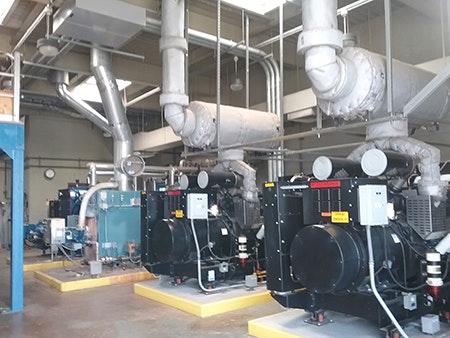
The District's vision includes energy self-sufficiency. Our anaerobic digesters produce methane-rich biogas as a natural part of the treatment process. In the past, about 40% of that gas was used to heat the digesters. The rest was flared off to keep it from being released into the atmosphere as a greenhouse gas.
To put that gas to better use, the District adopted the Biosolids and Energy Strategic Plan (BESP), a phased roadmap toward energy sustainability. Phase 1 is nearing completion and includes:
- A new 550,000-gallon anaerobic digester
- A combined heat and power (CHP) system with a generator that runs on the District's own biogas. Waste heat from the engine is used to warm the digesters.
With these improvements, the District can turn its biogas into electricity for the plant. That means less reliance on the grid, lower operating costs, fewer greenhouse gas emissions, and better resiliency during power outages. Learn more below:
Biosolids and Energy Strategic Plan (BESP)
In the fall of 2016, the District installed energy efficiency measures as part of a Water Infrastructure and System Efficiency (WISE) project in collaboration with the Energy Network. These improvements included new energy-saving LED lighting throughout the plant and a smaller-horsepower blower in the aeration basin. This is one of several ways the District works to promote energy self-sufficiency.